

If you feel like you’ve noticed a sudden burst of strange AWS (Amazon) traffic from datacenters in Ireland and the US, you’re probably not imagining things. We’ve seen a big uptick in traffic tied to Amazon’s product discovery bot systems for Shop Direct and Buy For Me initiatives. Oftentimes, for an ecommerce store, within reason, we want the site and product data to be discoverable for bots to facilitate all the new and emerging top-of-funnel channels that customers are engaging with. In the past, with Amazon, this was primarily driven through their Alexa voice shopping service, but 3rd party traffic was rarely prioritized for those user queries.
Now, the goal is much more direct: scrape merchant product data from independent, ecommerce stores, to feed into Amazons product data warehouse and facilitate Amazon to list your products for sale on Amazon[.]com without any interaction or prior consent on your behalf. For some brands, that could mean extra visibility and incremental sales. But for others, this can be seen as an unwelcome overreach or even a legal and fulfillment quagmire. Read on for more about what these services are, where they may help, where they may create risk, and when I think small merchants should seriously consider opting out.
What Amazon Is Building With Shop Direct and Buy for Me
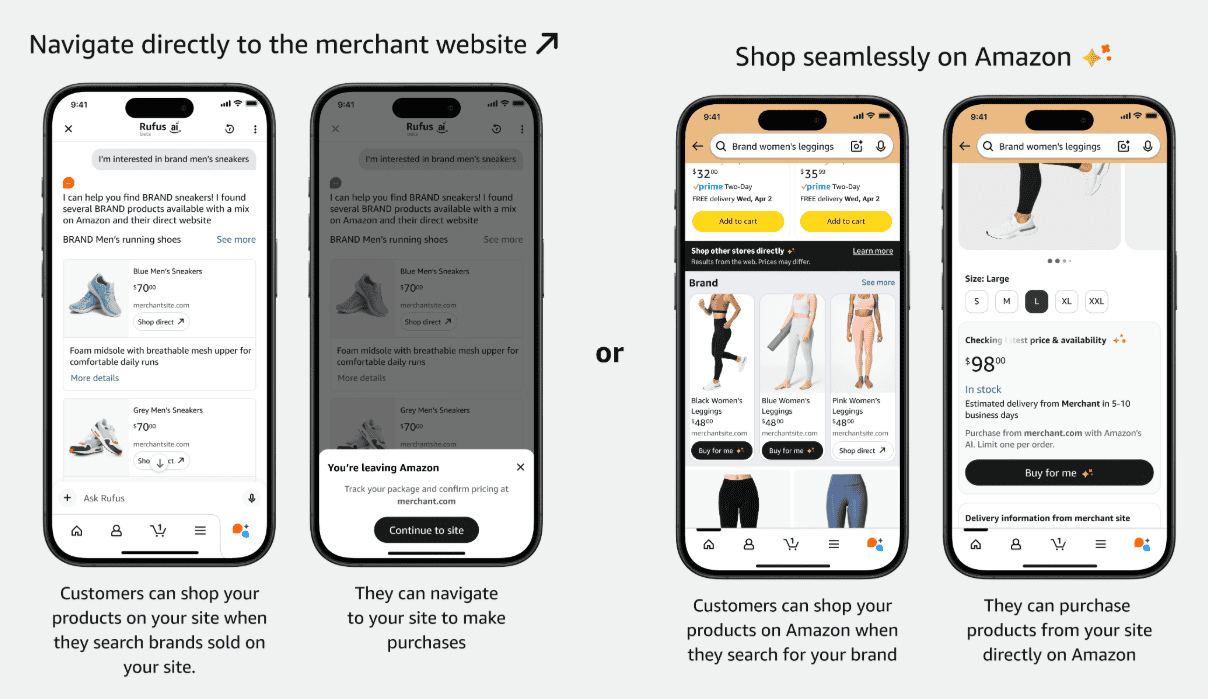
At the center of this is a broader Amazon effort to pull product data from outside merchants into Amazon-led shopping experiences. They want customers to come to Amazon search for shopping intent rather than general web searches or other platforms such as AI chatbots or social tools.
Amazon says its AmazonProductDiscoverybot collects publicly available product information from retailer, brand, and selling partner websites. On its own, that may sound similar to other discovery and indexing bots merchants already allow. The difference is what Amazon appears to be building on top of that data.
With Shop Direct, Amazon can surface a product inside its own ecosystem, then send the shopper to the merchant’s website to complete the purchase. In that version of the experience, Amazon acts more like an upstream discovery layer.
With Buy for Me, Amazon goes a step further. For eligible products, Amazon can help facilitate the purchase on the customer’s behalf using the customer’s Amazon checkout details. For a small merchant, that is a very different level of involvement than ordinary search visibility or referral traffic. Amazon proposes that they will directly interact with your website to complete a purchase for the customer using a masked email address and without the customer ever seeing your website or checkout flow.
Should I opt out?
In my opinion, there are very limited cases where allowing this may make sense.
If your catalog is public, stable, and easy to interpret, Amazon-origin discovery could function like another top-of-funnel channel. A merchant with straightforward pricing, dependable inventory, standard fulfillment timelines, and broad consumer appeal may see this as useful exposure rather than intrusion. The same goes for brands that want more reach but do not want the overhead of running a full traditional Amazon marketplace operation.
There is also a practical reality here: many customers begin product searches on Amazon the same way others begin on Google. If your products are a strong fit for that audience, and you are comfortable with Amazon acting as the first point of discovery, this could create visibility that would be difficult to replicate on your own. However, I would not expect their claim of no transaction fees to last if this service gains traction among consumers. I would plan to see Amazon take their commission/platform fee in the near future and wouldn’t be surprised to see Amazon Basics versions of the top selling Shop Direct/Buy for Me products start cropping up for easily reproduceable products. Again, I’m pretty pessimistic that any of these platforms that directly compete with their own merchants are ever looking out for the benefit of those same merchants.
More pragmatically, many independent stores like my clients are not selling simple, commodity products with static availability and interchangeable fulfillment. They create made-to-order goods, low-stock inventory, long production timelines, limited edition runs, custom options, or products that need careful explanation before a customer buys. In those cases, public product data pulled into an Amazon-led experience can easily create more confusion than value.
Even when the product data is technically public, that does not mean the product context travels well. A title, image, and price may be enough for a commodity item. It is often not enough for a nuanced, handcrafted, configurable, or low-volume product. When that context gets flattened, the merchant usually inherits the consequences, whether that means mismatched customer expectations, support issues, fulfillment disputes, tax confusion, returns friction, MAP concerns, or channel conflict. Which listing below do you find more compelling?
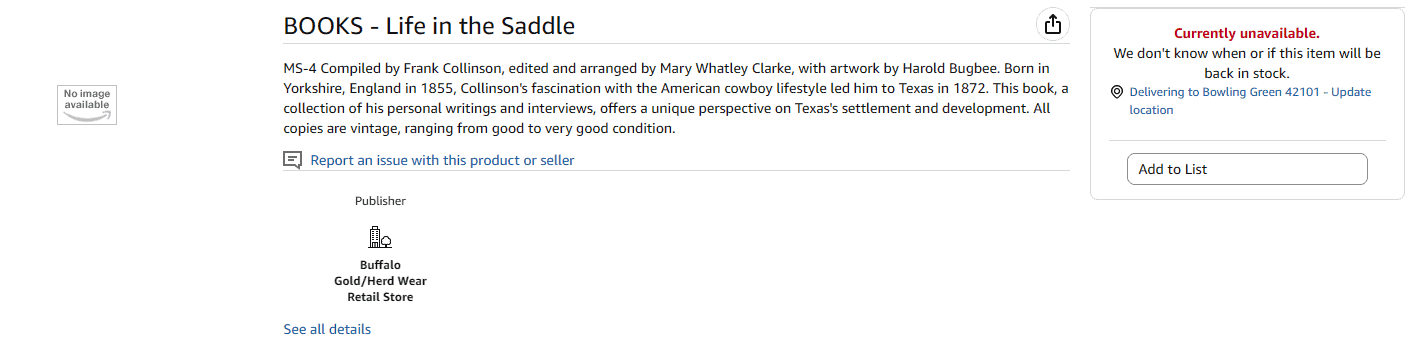
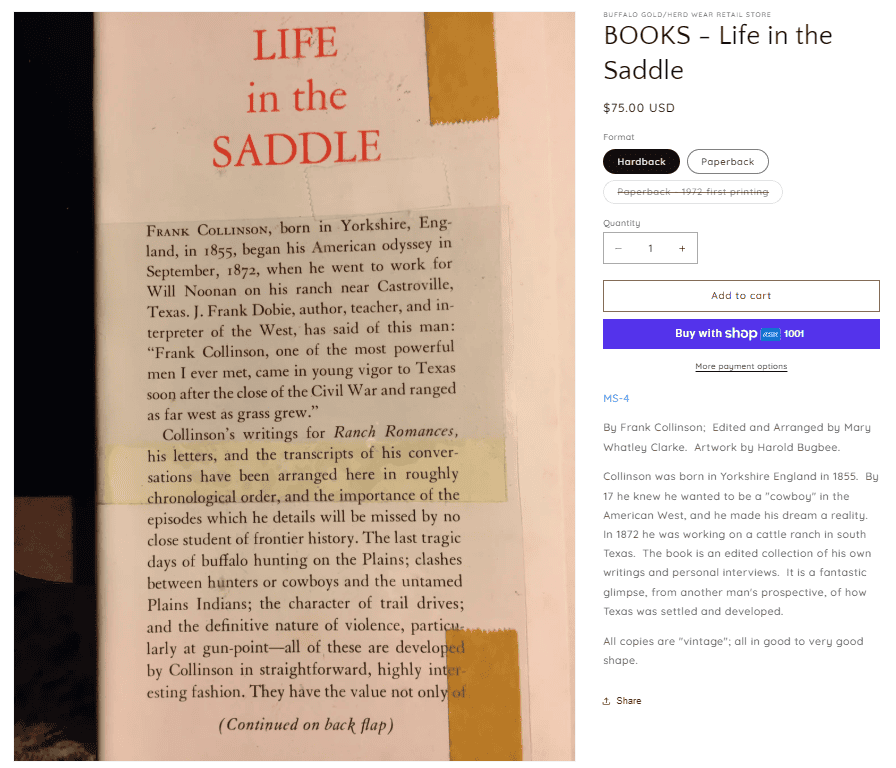
The nail in the coffin here though, in my opinion, is the loss of control the merchant has in this automated process. Without even touching on the ethics of AI training data, this is in the same vein of harvesting your publicly available data without any rights being granted for input into their training and listing systems. If you take the initiative to list on Amazon through their Vendor Marketplace, you have made that business choice and considered the strategy for marketing your specific products on their platform. This is AI slop for ecommerce in its worst ways.
My Recommendation for Small, Maker-Owned Merchants
Most ecommerce stores should not block every crawler by default. In general, discoverability is good. Product data needs to be visible enough for search engines, shopping tools, AI assistants, and emerging recommendation channels to understand what a store sells. I don’t feel that Amazon’s Shop Direct and Buy for Me services fall into that same category. Unless you sell high-volume commodity products that ship quickly, require no explanation or follow-up after the sale, and aren’t looking to grow customer loyalty to your own brand, I recommend you block bot traffic from Amazon and actively opt out of the program.
I’ll cover how to identify this traffic, how to block the associated bot scraper before it ever sees your website, and how to give feedback to Amazon to opt-out of the program proactively in my next article.
